

Engineering software, Germany

joint-tec GmbH

Calculation and design tools for bolted, clamped and press-fit joints — for the engineer who has to sign the drawing.

  • Joint technology
  • Offline calculation
  • For industrial machinery

What the tools calculate

Bolted joints, the systematic route

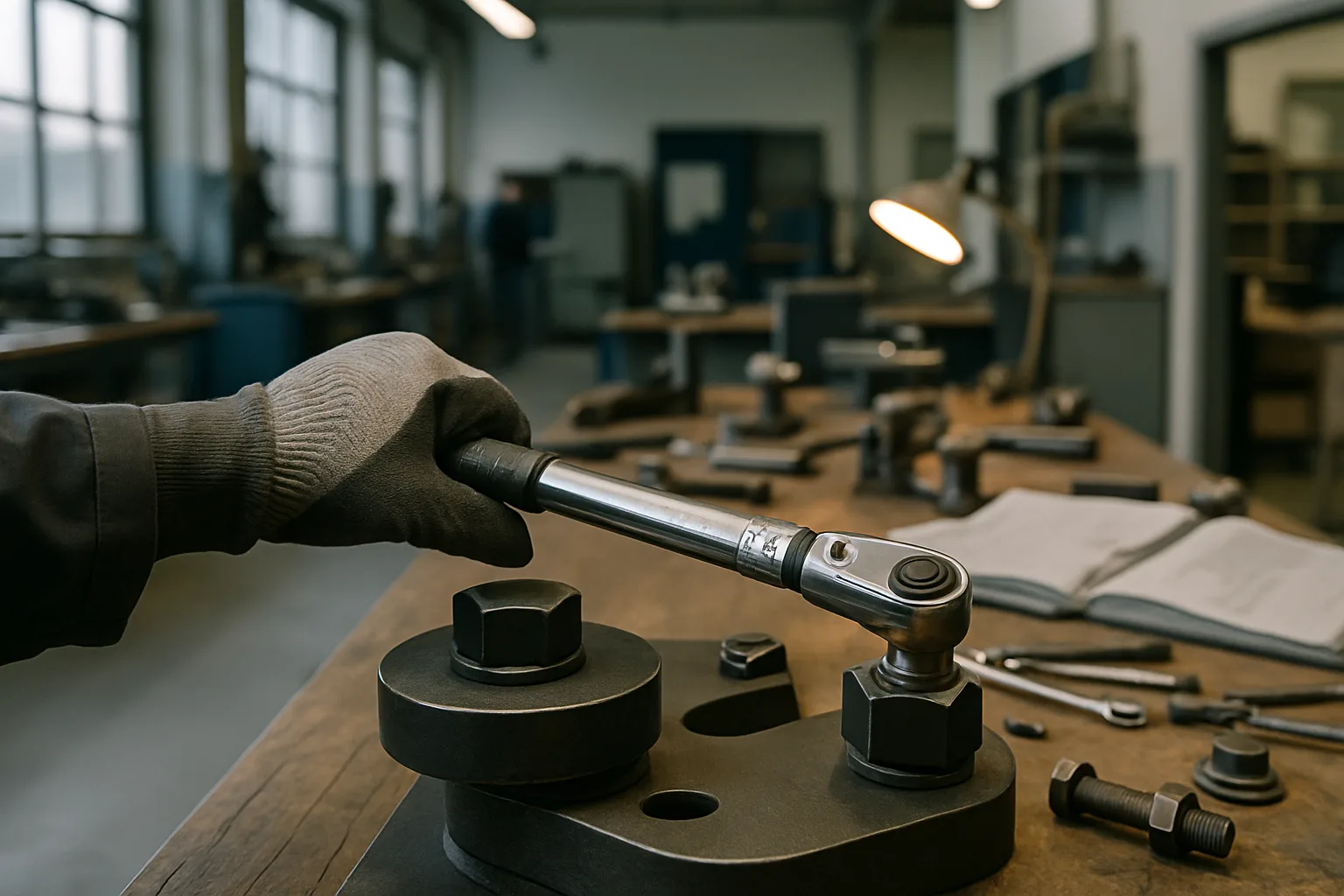
Assembly preload and its scatter, embedding loss, thermal effects, residual clamp load, surface pressure under the head. The calculation follows the step order of VDI 2230 so the result is arguable in a design review, not a black box.

Clamped and friction joints

Shaft–hub press fits, clamping sets and friction-grip connections: transmissible torque and axial force, interference and joining pressure, slip margin against the load case you actually have.

Load and strength analysis

Combined axial, shear and bending loading on the joint, eccentric introduction, gapping and slipping checks, fatigue margin for alternating load. Safety factors shown per criterion rather than rolled into one number.

Full calculation offline

The engine and the reference data sit on the device. Commissioning hall, supplier's floor, aircraft seat — the numbers work with no connection and nothing about your geometry leaves the phone.

Joint technology reference data

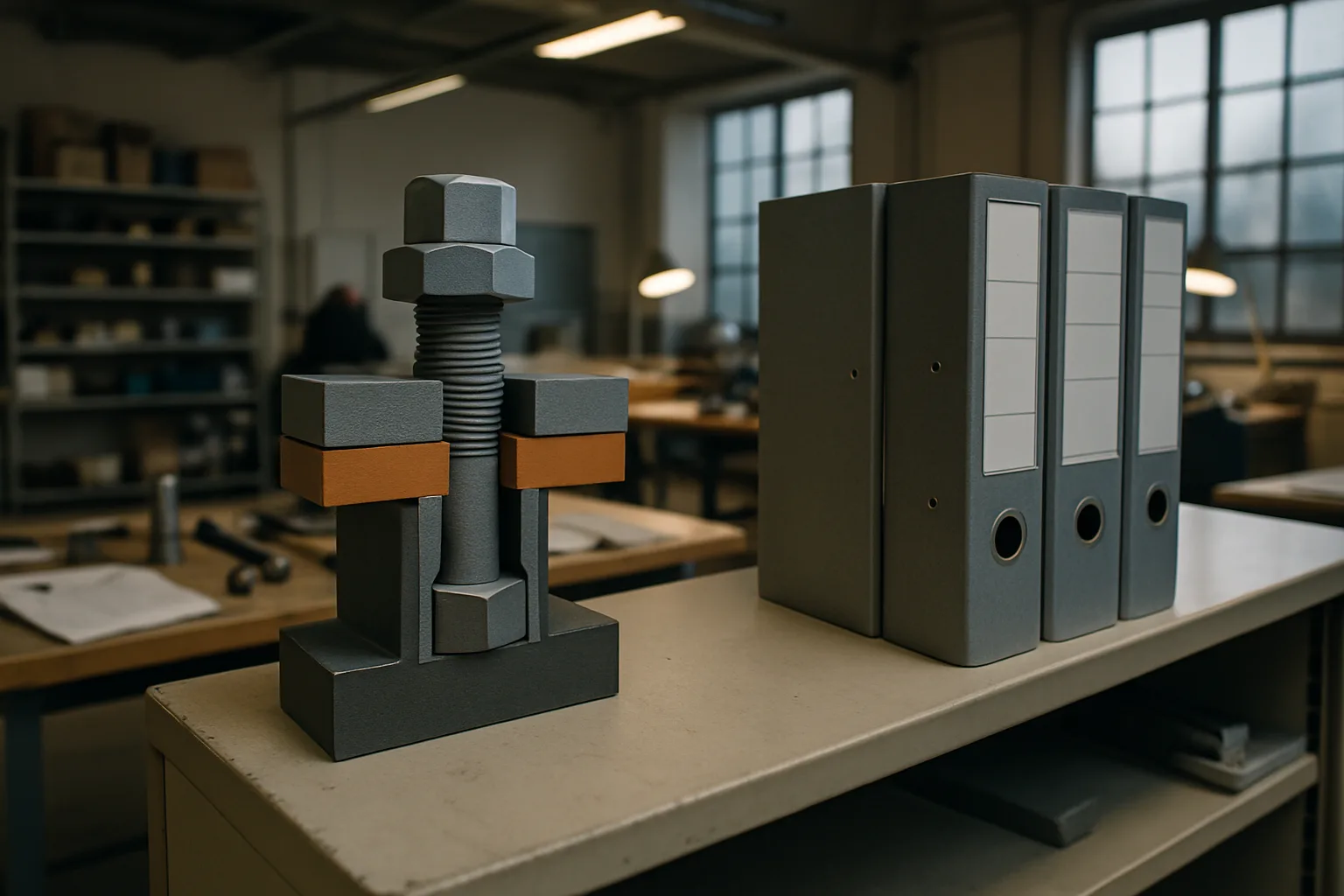
Metric and UNC thread geometry, property classes, head and nut dimensions, friction coefficient ranges by surface and lubrication, tightening torques. Looked up in seconds instead of hunted through a binder.

A report somebody else can check

Every calculation exports with its inputs, assumptions and intermediate values. That is the document that goes into the file — not a screenshot of a result.

How we are engaged

Four ways engineering teams work with us. Scope and licence terms are agreed per team.

Most requested

Calculation app, team licence

The joint calculators for a whole design department, on phones and tablets, with the calculation modules kept current.

  • Bolted, clamped and press-fit modules
  • Offline use on every seat
  • Report export for design files
  • Updates to the calculation modules

Company data package

Your fastener catalogue, approved friction values and internal design rules built into the app, so the defaults match your standard.

  • In-house fastener and coating lists
  • Approved friction coefficient sets
  • Company-specific safety factors
  • Preset load cases

Custom calculation module

A joint type that is specific to your machines — modelled, implemented and documented as its own module inside the app.

  • Calculation method written up and agreed
  • Verification against your reference cases
  • Documented assumptions and limits
  • Maintained alongside the standard modules

Joint design consultation

A second pair of eyes on a critical connection: load path, bolt selection, tightening strategy, what to test.

  • Review of your load assumptions
  • Bolt size and class comparison
  • Tightening and preload strategy
  • Written summary of findings

Scope, seat count and licence period are set in writing before anything starts.

Why it is built this way

A joint fails in the gap between the load case somebody assumed and the preload the assembly line actually achieved. So the tools are built to show that gap rather than hide it: scatter from the tightening method, embedding loss, the difference between minimum and maximum assembly preload, and what each of those does to the margin.

Three consequences, and they are the whole product philosophy:

Written in Germany for mechanical and design engineers in industrial machinery and equipment — people who already know what a joint diagram is and do not need it explained.

From engineering teams

★★★★★
I check bolt sizes during the layout phase now instead of at the end. Having the preload scatter in front of me while I pick the class changes which bolt I pick.
Marcus, design engineer, special machinery
★★★★★
The export is what sold it internally. Inputs, assumptions and intermediate values in one document — our review meetings got shorter.
Birgit, head of mechanical design
★★★★☆
Used it in a hall with no signal to recheck a clamping set after a torque change. Offline is not a feature list item for us, it is the reason it gets used.
Tomasz, commissioning engineer
★★★★★
We had a joint type that no standard tool covers. They modelled it, documented the method and we verified it against our own test cases before it went live.
Anke, calculation engineer

Tell us about the joint

Send your name and a line about the connection you are designing. An engineer picks it up — there is no sales desk in between.

  • An engineer reads the enquiry, not a call centre
  • The reply comes with questions about your load case, not a brochure
  • First conversation: we say plainly whether our tools fit your problem